

1. Introduction
Cycling is one of the most enjoyable ways to stay fit, explore new places, and spend time outdoors. Whether you’re commuting through city streets, tackling mountain trails, or cruising along the beach on a classic cruiser bike, staying hydrated is essential for safety, performance, and overall enjoyment.
Even short rides can lead to fluid loss, especially in warm weather, hilly terrain, or during high-intensity workouts. Cycling dehydration can cause fatigue, muscle cramps, dizziness, and decreased endurance. Proper hydration ensures your body maintains energy, focus, and comfort throughout your ride—making every cycling experience safer and more enjoyable.
2. The Science of Cycling Hydration and Fluid Loss
Understanding Fluid Loss While Cycling
When cycling, your body loses water through:
- Sweat: The primary cooling mechanism, containing water and essential electrolytes.
- Respiration: Increased breathing leads to water vapor loss.
- Increased metabolic rate: Higher energy output requires more hydration.
The Dehydration Cascade
- 1-2% body weight loss: Reduced performance, higher perceived effort.
- 2-3% loss: Noticeable performance decrease, impaired thermoregulation.
- 3-4% loss: Muscle cramps, decreased coordination, higher risk of heat illness.
- 5%+ loss: Serious health risks, potential heat stroke, or medical emergency.
3. How to Calculate Your Cycling Hydration Needs
Basic Hydration Guidelines
|
Ride Duration |
Fluid Needs |
Electrolytes |
Carbohydrates |
|
<60 min |
500-750 ml |
Optional |
Not needed |
|
60-120 min |
750-1000 ml/hr |
300-600 mg Na+/hr |
30-60 g/hr |
|
>120 min |
1000-1500 ml/hr |
600-1000 mg Na+/hr |
60-90 g/hr |
Personalized Calculation
1. Weigh yourself nude before a 1-hour ride.
2. Ride at typical intensity for 1 hour.
3. Weigh yourself nude immediately after.
4. Calculate fluid loss: (Pre-ride weight - Post-ride weight) × 1000 = ml lost.
5. Add sweat consumed during ride for total hourly fluid needs.
Factors Increasing Hydration Needs
- Temperature: Every 10°F (5.5°C) above 60°F increases needs ~20%.
- Humidity: High humidity reduces cooling, increases sweat.
- Altitude: Above 5,000 ft increases respiratory water loss.
- Fitness level: Fitter riders sweat sooner and more profusely.
- Acclimatization: Unacclimated riders lose more electrolytes initially.
4. Pre-Ride Hydration Tips for Cyclists
24 Hours Before
- Maintain normal fluid intake throughout the day.
- Monitor urine color (pale yellow indicates good hydration).
- Avoid excessive alcohol and caffeine.
2-4 Hours Before
- Drink 500-750 ml water or electrolyte drink.
- Include 200-300 mg sodium if riding in heat.
- Avoid overhydration that can dilute electrolytes.
20-30 Minutes Before
- Drink 200-300 ml of cool water.
- For early morning rides, consume extra fluids at breakfast.
- For rides >90 minutes, consider a small carbohydrate-electrolyte drink.
5. During-Ride Hydration Tips and Strategies
Drinking Schedule
- Every 10-15 minutes: 150-200 ml (5-7 oz).
- Set reminders using watches or phone apps.
- Drink before feeling thirsty, as thirst signals 1-2% dehydration.
What to Drink
- Rides <60 min: Plain water; add electrolytes if sweating heavily.
- Rides 60-120 min: Water + electrolyte tablets/powder; 30-60 g carbs/hr.
- Rides >120 min: Carbohydrate-electrolyte drinks (6-8% solution); alternate with water; solid foods optional.
Key Electrolytes
- Sodium: 300-600 mg/hr
- Potassium: 75-150 mg/hr
- Magnesium: 20-50 mg/hr
- Calcium: 40-100 mg/hr
6. E-Bike Hydration Tips for Tracer Riders
Why E-Bikes Need Special Attention
- Longer ride durations: Pedal assist enables extended saddle time.
- Higher average speeds: Increased wind exposure and sweat rate.
- Varied terrain: More hills than conventional bikes.
High-Performance E-Bikes
- Tracer Raptor Pro DS and Tracer Twenty5 GT Cruiser riders should plan 1.5-2 L water for 2+ hour rides.
- Bottle placement: Dual cage mounts on frame, plus top tube.
- Hydration packs: Fit well with athletic riding positions.
- Cooling strategy: Faster speeds increase evaporative cooling.
Extended Reading:
Planning long uphill routes or hilly coastal rides? Learn how cruiser e-bikes handle climbs and why hydration becomes even more crucial by reading:“Can Cruiser E-Bikes Go Uphill? The Ultimate Guide For You.”
Cruiser E-Bikes
- Upright seating reduces perceived exertion but not sweat loss.
- Extended leisure rides mean longer exposure.
- Rear racks allow extra water storage.
- Upright frame makes bottle access easier.
Hydrating on Tracer E-Bikes
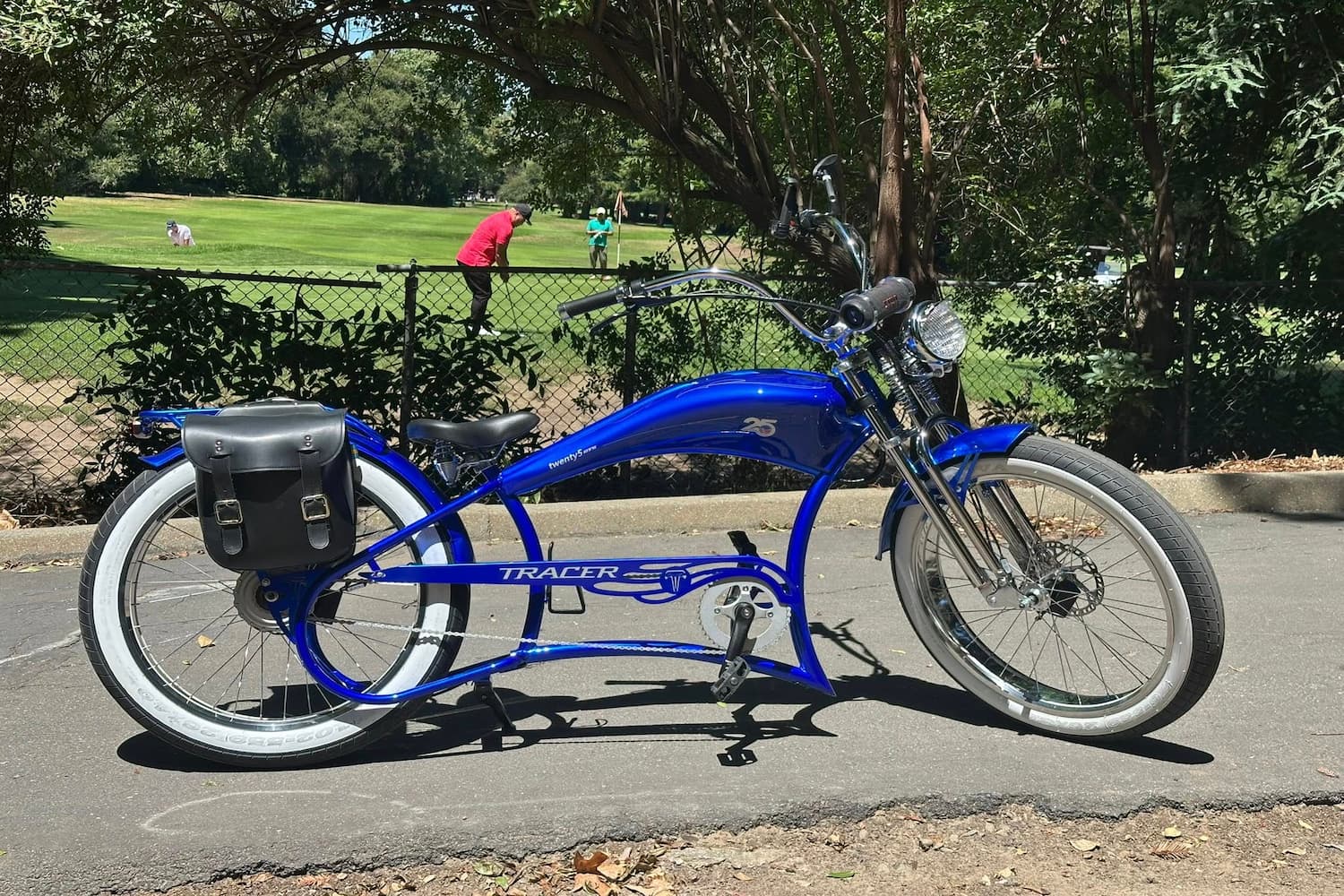
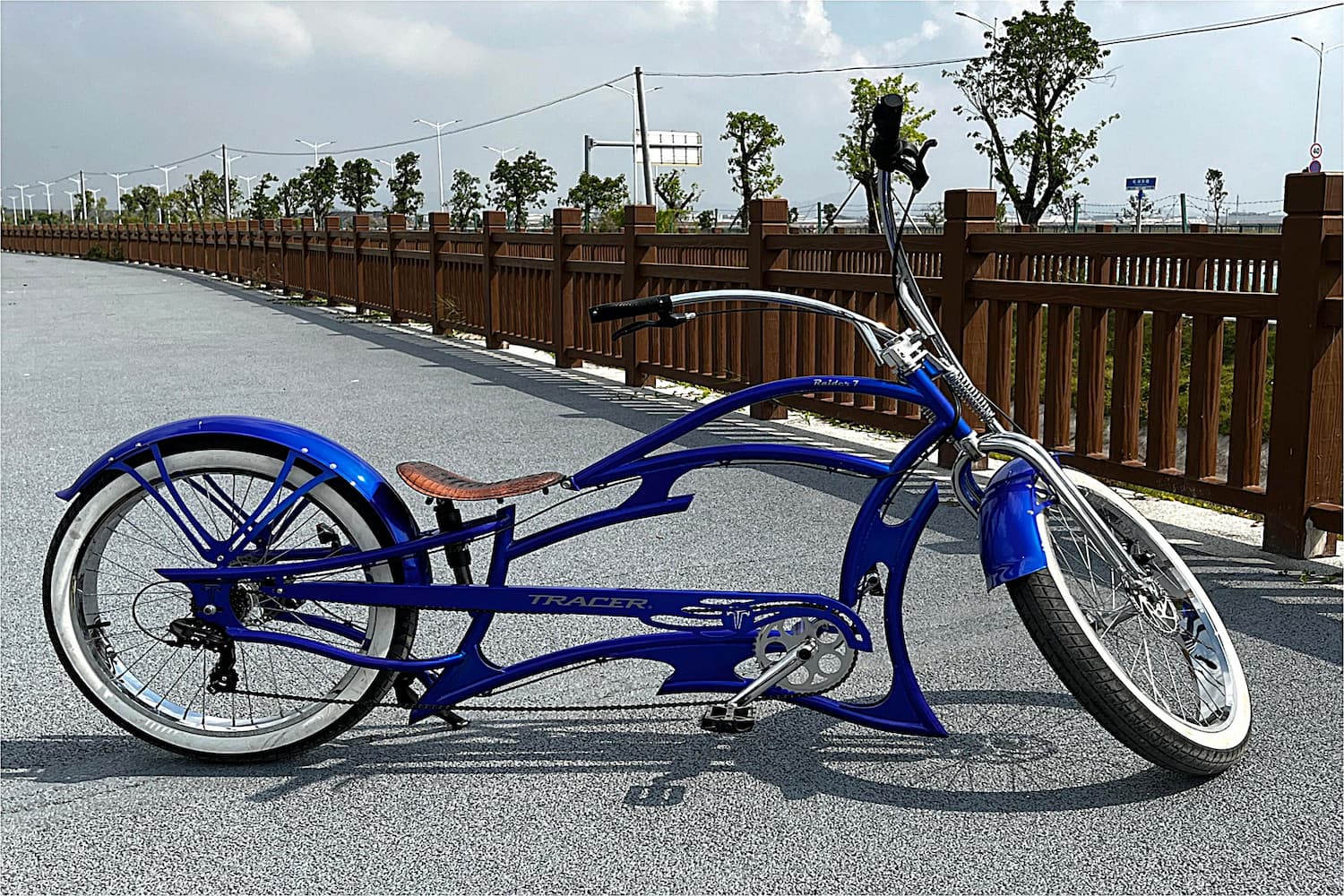
Tracer Raptor Pro DS 26" Electric Chopper Bike
- 800W motor + 48V/20Ah battery
- Ideal for long-distance urban and hilly rides
- Riders typically go 30–65 miles
- Recommend carrying 750–1000 ml bottles or a hydration pack
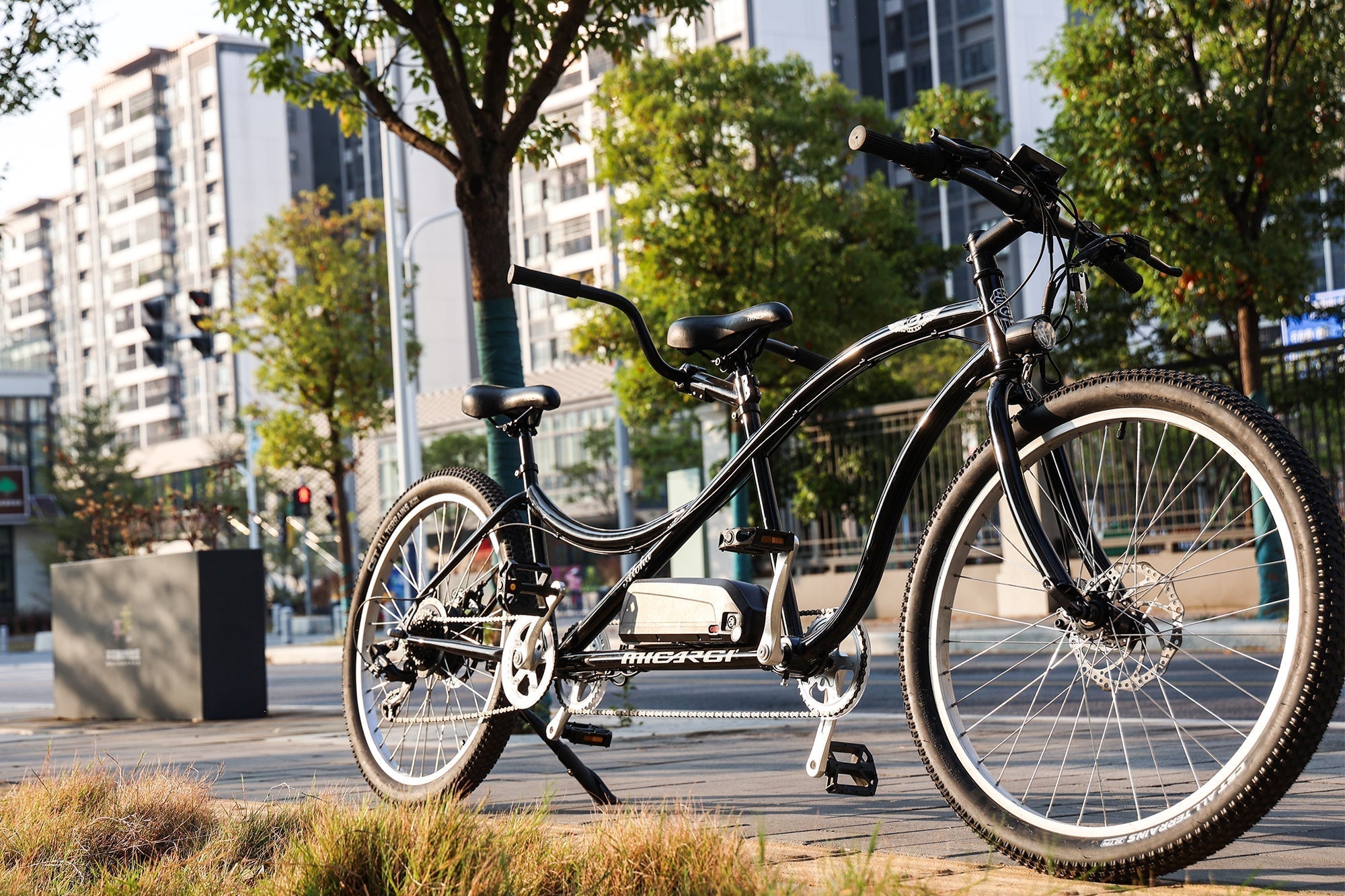
Tracer Twenty5 GT Fat Tire Cruiser E-Bike
- 500W motor, PAS with 3 modes
- Relaxed beach and leisure cruising
- Even at low exertion, long rides = fluid loss
- Bottle cages or rear-frame hydration packs work well
Tip: Place bottles where they won’t interfere with:
✓ V-bars
✓ Handlebars
✓ PAS switches
✓ Brake levers
7. Hydration Gear for Cyclists: Bottles, Packs, and Accessories
Water Bottles
- Standard: 500-750 ml, basic insulation.
- Insulated: Keeps water cold 4+ hours.
- Aero bottles: Reduce drag for performance riders.
- Soft flasks: Compress as empty, perfect for hydration packs.
Hydration Packs
- Capacity: 1.5-3L.
- Features: Insulated tubes, quick-disconnect, multiple pockets.
- Fit: Adjust to prevent bouncing or chafing.
Bottle Cages
- Standard: Secure on road bikes.
- Adjustable: Fit multiple bottle sizes.
- Carbon: Lightweight performance option.
- Side-entry: Easy access on compact frames.
Electrolyte Delivery
- Tablets: Lightweight, customizable.
- Powders: Mix easily, flavor variety.
- Liquid concentrates: Convenient, precise dosing.
8. How to Recognize and Prevent Cycling Dehydration
Mild Dehydration (1-2%)
- Increased thirst, darker urine
- Slightly elevated heart rate
- Minor performance decrease
Moderate Dehydration (2-4%)
- Significant thirst, dark urine
- Muscle cramping
- Reduced concentration
Severe Dehydration (>4%)
- Dizziness, nausea, confusion
- Rapid heart rate, breathing
- Medical emergency – stop riding immediately
9. Post-Ride Hydration Tips for Recovery
- Immediate (First 30 min): Drink 150% of fluid deficit; include sodium (500-700 mg); add carbs if glycogen depleted.
- Next 2-4 hours: Sip fluids regularly; eat water-rich foods.
- Full Recovery (24 hours): Maintain intake; weigh yourself to confirm rehydration.
10. Cycling Hydration in Extreme Weather and Altitude
Hot Weather (>80°F / 27°C)
- Pre-cool with cold drinks.
- Increase fluids by 25-50%.
- Use electrolyte drinks early.
- Consider slushy drinks and cooler ride times.
Cold Weather (<50°F / 10°C)
- Drink on schedule; thirst may decrease.
- Warm drinks help maintain core temperature.
- Insulated bottles prevent freezing.
- Reduce electrolyte needs slightly.
High Altitude (>5,000 ft / 1,500m)
- Increased respiratory water loss.
- Start hydration earlier.
- Monitor for altitude sickness.
- Antioxidants may help.
Beach & Sand Riding (Perfect for Cruiser Bikes)
Beach environments dehydrate riders faster because sun exposure, reflection from sand, and salty air increase sweat loss.
Stretch cruisers and fat-tire e-bikes (like Tracer Twenty5 GT) commonly ride on coastal routes—making hydration crucial.
Extended Reading:
Cruise the Coast in Style: Top Tips for Riding Stretch E-Bikes on Sand. Learn how tire pressure, motor assistance, and proper posture help you ride safely and comfortably on sandy terrain.
11. Practical Cycling Hydration Tips and Checklist
Daily Habits:
- Keep water visible.
- Set reminders.
- Track intake.
- Pre-fill bottles before rides.
Ride Day Checklist:
- Pre-ride hydration done
- Bottles filled and chilled
- Electrolytes packed
- Hydration pack ready
- Weather checked
- Route water sources identified
Monthly Review:
- Assess hydration effectiveness.
- Adjust fluids based on performance.
- Update gear as needed.
- Plan for seasonal changes.
12. Conclusion
Proper cycling hydration is a skill that improves with practice. By understanding your body, planning ahead, and using the right hydration gear for cyclists, you can:
- Enhance performance and endurance
- Reduce fatigue and discomfort
- Improve safety on long rides
- Accelerate recovery for consistent training
Hydration needs are individual. Experiment during training rides to find your ideal strategy. For Tracer Raptor Pro DS or Tracer Twenty5 GT Cruiser E-Bike riders, following these strategies ensures longer, stronger, and more enjoyable rides.
Stay hydrated, ride happy!
Quick Reference Chart:
|
Ride Duration |
Fluid Needs |
Electrolytes |
Carbohydrates |
|
<60 min |
500-750ml |
Optional |
Not needed |
|
60-120 min |
750-1000ml/hr |
300-600mg Na+/hr |
30-60g/hr |
|
>120 min |
1000-1500ml/hr |
600-1000mg Na+/hr |
60-90g/hr |
FAQ
Q1: How much water should I drink on a Tracer Raptor Pro DS ride?
A: For rides lasting 2+ hours, carry 1.5–2 liters of water. Short rides (<60 min) need 500–750 ml, while rides 60–120 min require 750–1000 ml per hour. Adjust for temperature, humidity, and personal sweat rate.
Q2: Do I need electrolytes when riding a Tracer Twenty5 GT?
A: Yes. Even with pedal-assist, longer rides cause sweat loss. Sodium (300–600 mg/hr), potassium (75–150 mg/hr), magnesium (20–50 mg/hr), and calcium (40–100 mg/hr) help maintain hydration and prevent cramps.
Q3: Can I use a hydration pack with my Tracer E-Bike?
A: Absolutely. 1.5–3L hydration packs fit well on Raptor Pro DS and Twenty5 GT. Ensure the tube is accessible and doesn’t interfere with PAS controls or handlebars.
Q4: How do I prevent dehydration in hot weather rides?
A: Pre-cool with cold drinks, increase fluids by 25–50%, use electrolyte beverages early, and ride during cooler times. Slushy drinks can improve cooling and comfort.
Q5: What is the best hydration strategy for long E-Bike rides?
A: Combine bottle cages and hydration packs. Drink every 10–15 minutes before thirst. For rides over 2 hours, include electrolyte and carbohydrate drinks to sustain energy and prevent muscle cramps.

Leave a comment
This site is protected by hCaptcha and the hCaptcha Privacy Policy and Terms of Service apply.