

Electric bikes (eBikes) are one of the hottest trends in personal transportation today — and for good reason. They offer eco‑friendly mobility, fun riding experiences, and options to suit almost every rider and terrain. But when you’re comparing eBikes online or in store, one question inevitably comes up:
Is a 500W or 800W eBike motor better for me?
In this comprehensive guide, we’ll break down what wattage actually means, the real differences between 500W and 800W motors, the riding scenarios where each shines, and how those differences affect speed, torque, range, terrain handling, and overall riding satisfaction. Alongside the technical overview, we’ll highlight two standout eBikes in each category to help you visualize how theory translates to real‑world rides.
Understanding eBike Motor Power: What Do “500W” and “800W” Really Mean?
500W” or “800W” on an eBike shows the motor’s rated power. But real-world performance also depends on battery, controller, sensors, bike weight, and gearing. Gears affect torque and acceleration too. For a deeper dive, check out Stretch Cruiser Riding Top Tips: A Complete Guide To Cruiser Gear Systems!, which explains how gear setups impact performance.
Key areas influenced by motor wattage include:
• Top speed
• Torque for acceleration and climbs
• Battery draw and range
• Responsiveness and pedal assist
Next, we’ll compare 500W and 800W motors across these performance areas.
Section 1: 500W eBikes — Balanced Performance for Everyday Riders
What to Expect from a 500W Motor
A 500W eBike is mid-range — stronger than 250W entry-level motors, but less powerful than 800W or 1000W options. It’s popular for being efficient, manageable, and often compliant with local regulations.
Typical 500W benefits:
✔️ Smooth acceleration — perfect for city rides
✔️ Efficient battery use — longer range
✔️ Comfortable speeds — up to ~25 mph
✔️ More affordable than higher watt models
For tips on riding stretch cruisers on different surfaces, check out Cruise the Coast in Style: Top Tips for Riding Stretch E-Bikes on Sand.
Typical Performance Numbers
- Top speed: ~20–25 mph (32–40 km/h)
- Range: 30–60 miles depending on battery size and usage
- Best usage: City roads, flat terrain, relaxed cruising or commutes
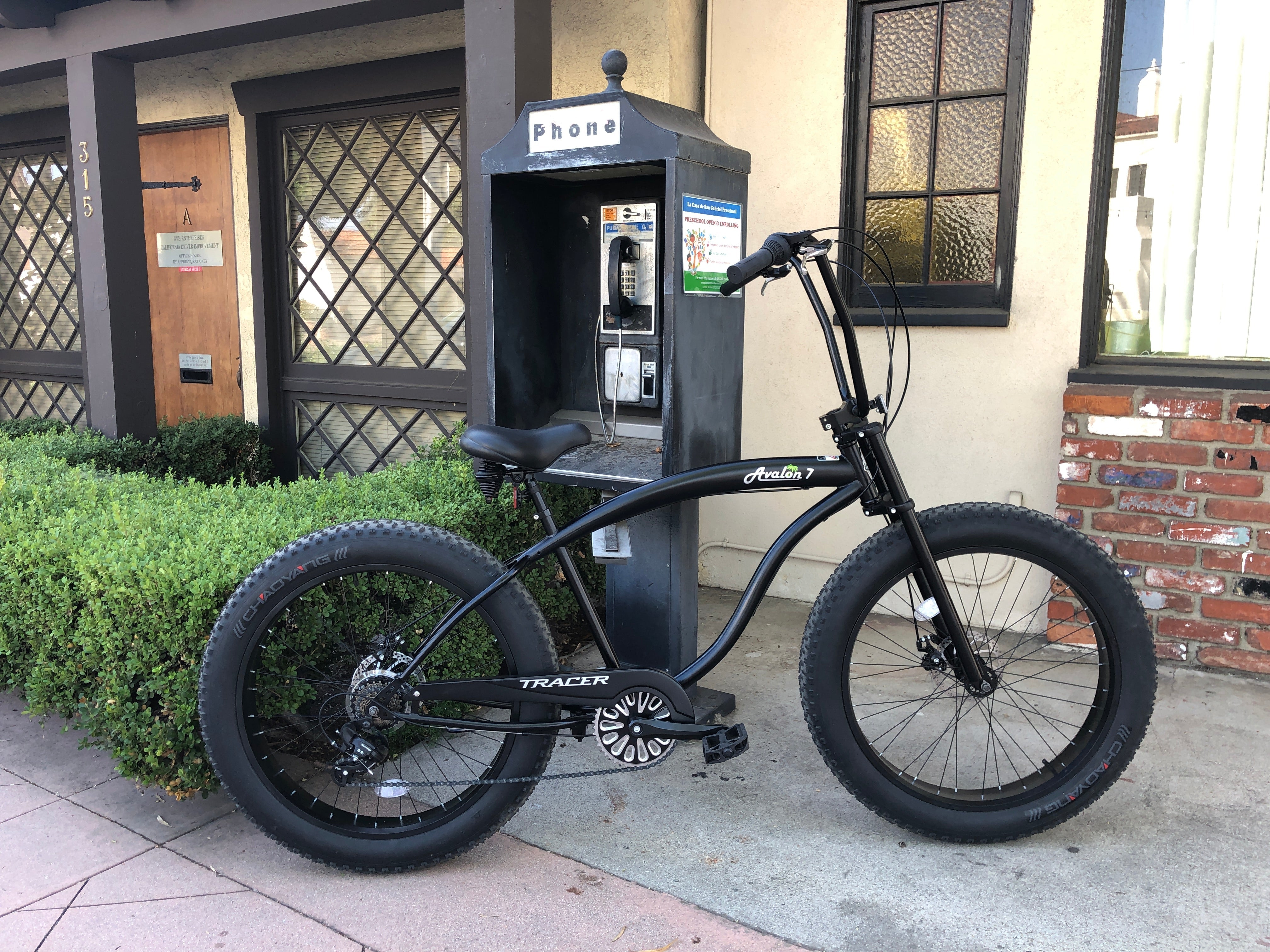
Example: Tracer 26 Twenty5 Chopper Cruiser eBike
A perfect example of a well‑balanced 500W eBike is the Tracer 26 Twenty5 Chopper Cruiser. It comes equipped with a 48V 500W high‑speed brushless rear hub motor paired with a 48V/17.5 Ah LG lithium battery, striking a harmony between performance and range.
Key features include:
- Motor: 500W brushless rear motor with intelligent sensor assist
- Top speed: Up to 25 mph
- Range: ~30–50 miles per charge depending on conditions
- Assist system: 3 riding modes with 5 levels of pedal assist
- Design: Classic stretch cruiser with fat tires and retro style

This setup gives riders a smooth, stable power boost without being overwhelming — excellent for daily commutes, boardwalk cruises, and casual weekend rides. The fat tires provide good traction, and the pedal assist system ensures a natural yet effortless ride feel.
Who it's best for: Commuters, leisure riders, urban cruisers, riders who prioritize battery efficiency and comfort over raw power.
Section 2: 800W eBikes — Power and Performance for Enthusiasts
What to Expect from an 800W Motor
An 800W motor represents a higher power tier, perfect for tackling steeper hills, carrying heavier loads, or achieving stronger acceleration. Understanding how hub motors distribute power can enhance your riding experience. It helps you better anticipate acceleration and hill climbing. For readers who want a deeper understanding, check out Demystifying E-Bike Hub Motors: Powering Up Your Ride, which breaks down how hub motors work and how to get the most out of higher-wattage eBikes.
With more wattage comes:
✔️ Stronger acceleration — especially from a stop
✔️ Improved hill climbing — ideal for varied terrain
✔️ Capability with heavier riders or cargo
✔️ Potential for higher top speed (~28–30 mph)
Of course, this extra power also means slightly higher battery draw compared to lower‑watt systems if used aggressively.
Typical Performance Expectations
- Top speed: ~28–30 mph (45–48 km/h)
- Range: ~40–65+ miles depending on battery size
- Best usage: Mixed terrain, rolling hills, riders who want more power and torque.
Example: Tracer Raptor Pro DS 800W Stretch Cruiser Ebike
A high-power cruiser standout, the Tracer Raptor Pro DS features an 800W brushless motor paired with a 48V/20Ah Samsung battery, delivering strong torque and confident performance in varied conditions.
Key highlights:
• 800W motor (peak 1000W)
• Up to ~30 mph top speed
• Samsung 48V/20Ah battery (~960Wh)
• ~40–65+ mile range
• 3 riding modes, 5 PAS levels
• Hydraulic disc brakes
• Fat-tire cruiser design for comfort and style

Built for riders who want power, comfort, and versatility—ideal for daily riding, hills, longer distances, and heavier loads without compromise.
Who it's beat for: Power seekers, riders in hilly areas, those who carry cargo or ride longer distances, and riders who want a more “dynamic” performance feel.
500W vs 800W: Real‑World Comparison
Here’s a practical side‑by‑side comparison to help clarify differences:
|
Feature |
500W eBike |
800W eBike |
|
Power output |
Moderate |
High |
|
Top speed |
~25 mph |
~28–30 mph |
|
Torque/acceleration |
Smooth but moderate |
Strong, quicker start & hill ability |
|
Range efficiency |
Generally higher with smaller battery |
Slightly lower when used aggressively |
|
Typical use |
City, flat commutes, leisure |
Mixed terrain, hills, heavier load |
|
Cost |
Usually more affordable |
Tends to be higher priced |
It’s important to understand that motor power alone doesn’t define your ride — battery quality, controller settings, pedal assist calibration, and overall bike design all contribute to your experience.
How Wattage Affects Speed, Torque, and Range
Speed
While top speed isn’t strictly determined by wattage (battery voltage plays a big role too), higher wattage typically enables better acceleration toward that top speed, especially under load or downhill push. For example, an 800W motor can generally reach higher sustained speeds more comfortably than a 500W unit.
Torque and Climbing Ability
Torque is what gets you moving and helps you conquer hills. Higher‑wattage motors like 800W offer greater torque at similar voltage levels, allowing easier climbs and less rider‑effort in steep conditions.
Range
Range isn’t defined by wattage alone — battery capacity, rider effort, terrain, and assist levels all matter. However, because 800W systems can draw more current under high output, they can use battery energy faster — so range may be lower if you use full power constantly. Ride conservatively and range differences shrink.
Which eBike Power Level Is Right for You?
Here’s a simple decision guide based on real rider needs:
You Should Choose a 500W eBike If:
- You ride mostly flat urban roads
- You want the longest possible range
- You value a smoother, more relaxed ride
- Budget and cost efficiency matter
A 500W setup is ideal for daily cruising, commuting, and casual rides where comfort and efficiency come first.
You Should Choose an 800W eBike If:
- You ride hills or mixed terrain
- You carry additional weight or cargo
- You want stronger acceleration and higher speeds
- You don’t mind slightly higher energy draw
An 800W motor suits riders seeking more power and faster response on challenging routes.
Breaking Down Common eBike Motor Misconceptions
❌ “Higher wattage always equals better performance”
Not always. If a bike has an 800W motor but a weak controller or low‑quality battery, it could perform worse than a well‑tuned 500W system. Wattage is just one piece of the puzzle.
❌ “Battery range is determined only by motor wattage”
No — range depends on battery capacity (Wh), riding style, rider weight, and assist levels. A large battery with a 500W motor can out‑range a smaller battery on an 800W motor.
❌ “Bigger motor means heavier bike”
Not always. eBike design choices, battery placement, and frame material also affect overall weight. Modern 800W systems can be relatively lightweight yet still powerful.
Conclusion
At the end of the day, both 500W and 800W eBikes deliver excellent riding experiences—the right choice comes down to where you ride, how you ride, and what you expect from your eBike. A 500W motor is ideal for riders who want a smooth, efficient, and comfortable ride for daily cruising and light terrain, while an 800W motor suits those seeking stronger acceleration, better hill performance, and a more powerful feel. Understanding your riding style and terrain will help you choose the motor that fits your lifestyle best.
FAQs
Does a higher wattage eBike go faster?
Usually, yes — but top speed also depends on battery voltage and controller. An 800W system typically can maintain higher speeds more easily, especially under load.
Will a 500W eBike struggle on hills?
On moderate hills, a well‑built 500W eBike should perform adequately. On steep or sustained inclines, an 800W motor offers a noticeable performance advantage.
Are 800W eBikes less efficient?
Not inherently. If used with more conservative pedal assist levels, an 800W eBike can be very efficient — but aggressive use will draw more power and reduce range faster.

Leave a comment
This site is protected by hCaptcha and the hCaptcha Privacy Policy and Terms of Service apply.