



Every winter, cruiser bike riders ask the same question: Is a cruiser bike good for winter riding, or should it wait until spring? The answer isn’t simply yes or no. Winter riding is less about whether a bike can be ridden and more about whether it makes sense for your climate, habits, and expectations. Cruiser bikes are built for comfort and relaxed riding, while winter brings cold temperatures, wet roads, reduced traction, and road salt. When these two worlds meet, the outcome can be either enjoyable or damaging.
This guide goes beyond basic pros and cons to help you decide when winter riding on a cruiser bike is worthwhile—and how to ride smarter if you choose to keep rolling.
What Makes Winter Riding Fundamentally Different?
Before judging whether a cruiser bike is suitable for winter, it’s important to understand how winter changes the riding environment itself.
Cold Changes Materials, Not Just Comfort
Cold temperatures affect:
- Tire pressure (air contracts)
- Lubricants (thicken or wash away faster)
- Metal components (become condensation magnets)
A cruiser bike’s heavier steel frame, wide tires, and simple components react differently to cold compared to lightweight road bikes or aggressive mountain bikes.
Moisture Is the Real Enemy
Snow is not the biggest problem. Water is.
- Melting snow creeps into chain links and bolt threads
- Slush carries salt directly onto exposed metal
- Indoor temperature changes create condensation instantly
Winter riding isn’t about avoiding snow — it’s about managing moisture and corrosion.
If you plan to ride regularly through winter, understanding proper cleaning, drying, and lubrication routines becomes essential. For a deeper breakdown of year-round care and how to protect your cruiser from long-term damage, see our guide on How to Maintain Your Beach Cruiser: Tips for Long-Lasting Performance.
Roads Are Predictable, Until They Aren’t
Winter roads may look clear, but:
- Thin ice forms in shaded areas
- Salt residue reduces tire grip
- Painted road markings become slick
Cruiser bikes encourage relaxed riding, which can be both a benefit and a limitation depending on conditions.
What Cruiser Bikes Are Actually Designed For
To understand whether a cruiser bike works in winter, you have to understand what it was designed to do.
Cruiser bikes prioritize:
- Upright riding posture
- Wide, comfortable saddles
- Fat or semi-fat tires
- Simple drivetrains
- Stability over speed
They are not optimized for:
- Aggressive climbing
- Technical trail control
- High-speed cornering
This design philosophy matters in winter — sometimes in your favor, sometimes not.
The Pros of Riding a Cruiser Bike in Winter (That Most People Overlook)
1. Upright Geometry Improves Winter Awareness
Winter riding is about anticipation, not reaction.
Cruiser bikes keep your head up and your body relaxed, which:
- Improves visibility in traffic
- Makes it easier to scan for ice patches
- Encourages smoother braking
Unlike aggressive bikes that lean you forward, cruisers naturally slow your riding style — a huge safety advantage on cold pave ment.
2. Wide Tires Perform Better Than You Expect on Cold Roads
While cruiser tires aren’t snow tires, they do offer:
- Larger contact patch on wet asphalt
- Better stability on uneven surfaces
- More forgiving response to small slips
On plowed roads, cold pavement, and light slush, cruiser tires often outperform narrow road bike tires.
Lowering tire pressure slightly in winter further improves traction without sacrificing comfort.
3. Simpler Drivetrains Survive Winter Better
Many cruiser bikes use:
- Single-speed drivetrains
- Internal gear hubs
- Coaster brake systems
These setups have:
- Fewer exposed moving parts
- Less cable freezing
- Lower maintenance complexity
In winter, less complexity often means fewer problems.
4. Cruisers Encourage the Right Winter Riding Speed
Winter isn’t the season for speed records.
Cruiser bikes naturally promote:
- Smooth acceleration
- Predictable handling
- Relaxed cadence
This reduces:
- Sudden wheel spin
- Panic braking
- Overconfidence in slippery conditions
Ironically, the same traits that make cruisers “slow” in summer make them safer in winter.
The Cons of Riding a Cruiser Bike in Winter (And Why They Matter)
1. Weight Becomes a Liability on Snow and Ice
Cruiser bikes are heavy by design.
In winter, that weight:
- Increases stopping distance
- Makes lifting or maneuvering harder
- Becomes a problem if traction is lost
On dry cold roads, weight adds stability. On ice or packed snow, it becomes a disadvantage quickly.
2. Limited Gearing Struggles on Winter Hills
Single-speed cruisers don’t adapt well to:
- Icy inclines
- Snow-packed slopes
- Start-stop winter traffic
Electric cruisers help here, but battery performance drops in cold weather, partially offsetting the advantage.
3. Steel Frames and Chrome Parts Require More Care
Many cruiser bikes use steel frames for comfort and durability. Steel rides beautifully — but winter is unforgiving.
Without proper care:
- Road salt accelerates rust
- Condensation attacks weld points
- Chrome and polished parts suffer fast
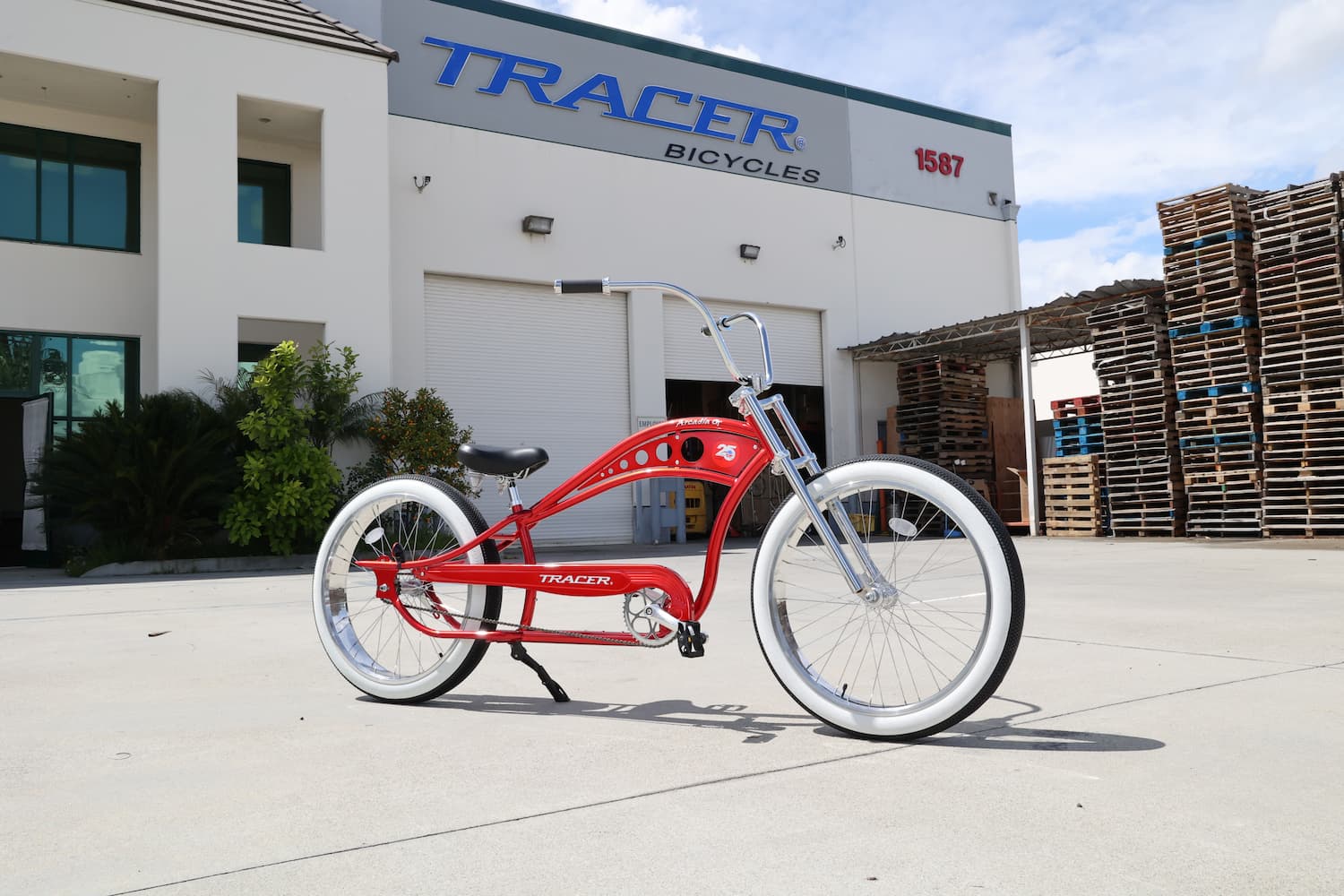
This is where component choice quietly matters. For example, chrome-plated wheelsets designed with corrosion resistance in mind—like Tracer’s chrome wheel options—offer a practical advantage for riders who face frequent moisture and salt exposure. While no chrome is immune to neglect, higher-quality plating significantly slows visible corrosion when paired with basic winter care.
4. Cruisers Are Not Snow Bikes
Let’s be clear:
- Deep snow
- Ice-covered roads
- Untreated winter trails
These conditions favor fat bikes or dedicated winter setups, not cruisers.
Trying to force a cruiser bike into these environments leads to frustration, not fun.
Cruiser Bike vs Fat Tire Bike in Winter: A Practical Comparison
|
Feature |
Cruiser Bike |
Fat Tire Bike |
|
Comfort |
Excellent |
Good |
|
Traction on snow |
Limited |
Excellent |
|
Efficiency |
Better on clear roads |
Slower on pavement |
|
Maintenance |
Easier |
More complex |
|
Winter versatility |
Moderate |
High |
Verdict:
Cruisers win on plowed roads and dry cold days. Fat tire bikes dominate in snow-heavy environments.
Tire choice plays a bigger role in winter safety than many riders expect. While cruiser tires work well on plowed roads and cold pavement, deeper snow and loose surfaces favor wider profiles.
If you’re still unsure which setup matches your local winter conditions, this comparison breaks it down in detail: Fat Tire vs Standard Tire: Which Bike Tires Are Right for Your Ride?
When Riding a Cruiser Bike in Winter Makes Sense
A cruiser bike can be a solid winter choice if:
- Your roads are regularly plowed
- You ride short to medium distances
- You prioritize comfort over speed
- You clean and dry your bike after rides
- Your winter is cold but not constantly icy
In these conditions, winter cruising can be peaceful, practical, and enjoyable.
Bikes like the Scorpion Pro DTS Stretch Chopper Cruiser fall into this category when used thoughtfully. Its long wheelbase and stable geometry favor smooth, controlled riding—traits that align well with cautious winter cruising on cleared roads, especially for riders who value balance and comfort over agility.
When You Should Absolutely Avoid Winter Cruiser Riding
Skip winter riding if:
- Roads remain icy for days
- Salt use is excessive and unavoidable
- You can’t clean your bike regularly
- You rely on steep terrain
- You expect summer-level performance
Sometimes, storing your bike is the smartest riding decision.
Riding a Cruiser Bike Safely in Winter: Smart Adjustments
Adjust Tire Pressure
Lower pressure increases grip and comfort on cold pavement.
Install Fenders
Fenders dramatically reduce:
- Salt spray
- Chain contamination
- Frame corrosion
Brake Earlier, Not Harder
Cruisers reward anticipation. Brake early and smoothly.
Dress for Relaxation
Tension leads to mistakes. Stay warm and relaxed.
Clean Immediately After Riding
Salt damage starts fast. Waiting overnight is enough to cause corrosion.
Are Electric Cruiser Bikes Better for Winter Riding?
Electric cruisers change the winter equation slightly.
Advantages:
- Easier starts on cold legs
- Better hill assistance
- Reduced rider fatigue
Limitations:
- Battery range drops in cold
- Charging requires indoor care
- Electronics demand moisture protection
Electric cruisers work well in mild winter climates — but they still require thoughtful storage and maintenance.
Cold weather affects more than just range — storage habits matter just as much. Improper winter storage can quietly reduce battery lifespan even when the bike isn’t being ridden.
To avoid long-term battery issues, especially if you ride less frequently in winter, we recommend reading Do E-Bike Batteries Drain When Not in Use? Complete Guide to Battery Storage & Maintenance.
The Hidden Cost of Winter Riding: Maintenance vs Enjoyment
Winter riding isn’t just about traction — it’s about what you’re willing to maintain.
Ask yourself:
- Will I clean my bike after every ride?
- Am I okay replacing chains more often?
- Does winter riding add joy or stress?
If winter riding feels like work, it defeats the purpose of a cruiser bike.
A cruiser bike can work in winter — but success depends more on where you ride, how you ride, and how well you maintain your bike than on the bike itself.
On plowed roads and short, relaxed rides, a cruiser’s upright posture, stable handling, and simple components actually suit cold conditions.
But if roads are icy, salted, or maintenance is skipped, it’s wiser to store your bike than risk damage.
Winter riding isn’t about toughness — it’s about riding smart and keeping both bike and rider safe until spring.
FAQ
Can cruiser bikes ride in snow?
Light snow and slush, yes. Deep or icy snow, no.
Do cruiser bikes rust faster in winter?
Not faster by design — but neglect accelerates rust quickly.
Are fat tires required for winter riding?
Not always. They’re ideal for snow-heavy regions, not plowed cities.
Is it better to store my cruiser bike during winter?
If you can’t maintain it properly, storage is often the smarter choice.


Leave a comment
This site is protected by hCaptcha and the hCaptcha Privacy Policy and Terms of Service apply.