

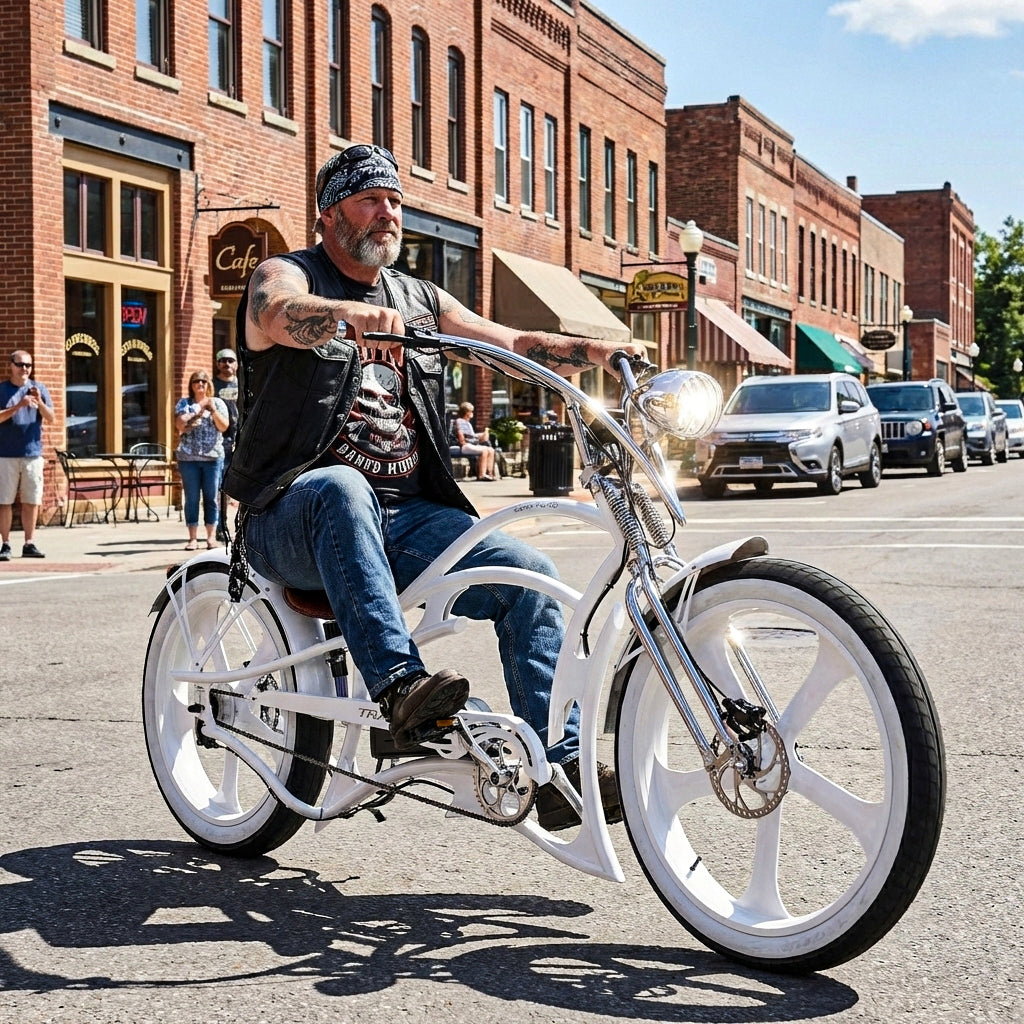

Winter can be especially harsh on electric bikes. Unlike regular bicycles, e-bikes rely on sensitive electrical systems and lithium-ion batteries that react poorly to cold, moisture, and long periods of inactivity. Snow, road salt, freezing temperatures, and humidity can quietly damage key components if proper precautions aren’t taken.
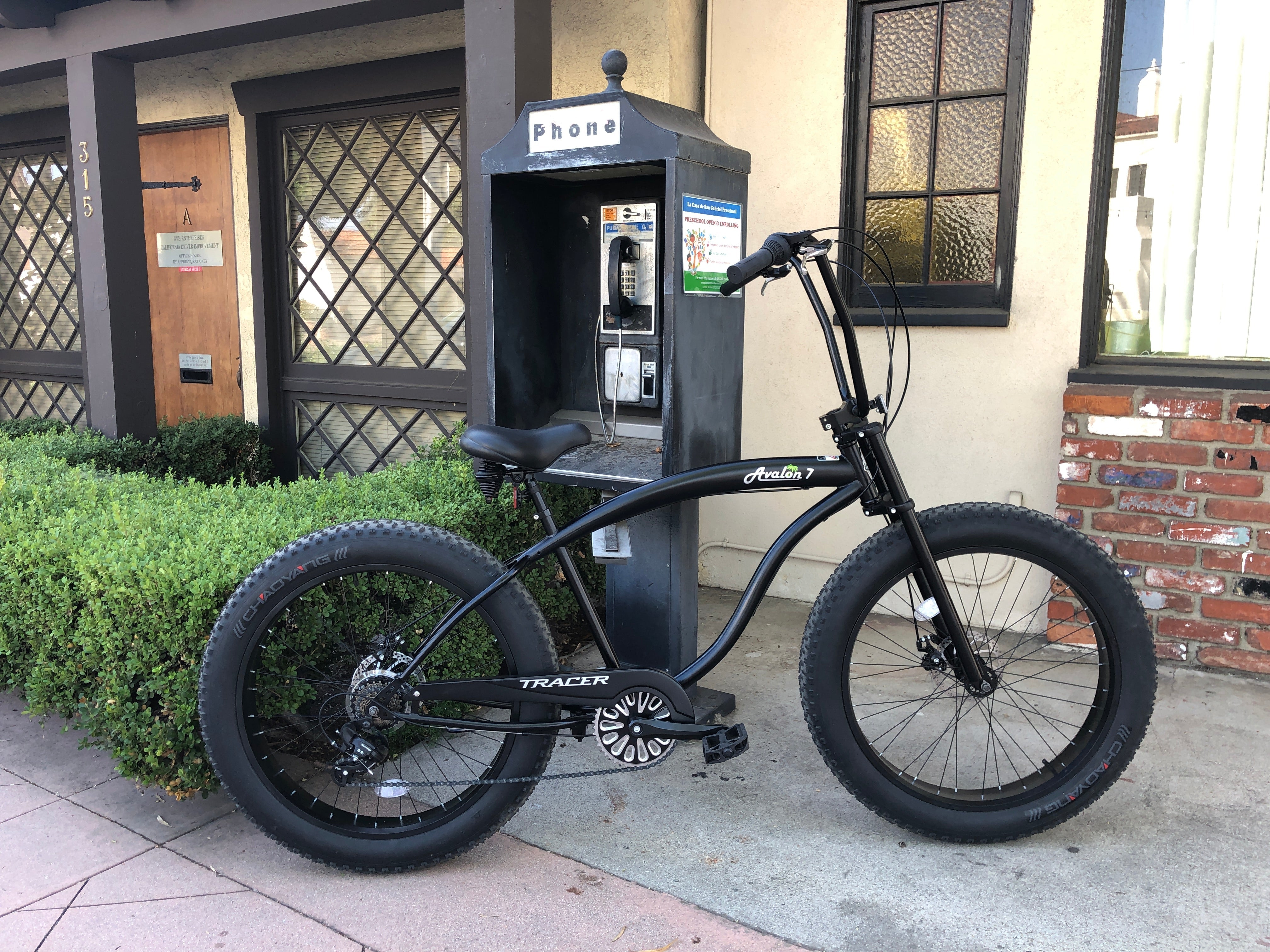
Whether you ride a cruiser e-bike, a fat tire e-bike, or a chopper-style electric bike like those from Tracer Bikes, correct winter storage is critical. This in-depth guide explains exactly how to store your e-bike during winter, why each step matters, and how to avoid common mistakes—so your bike is ready to ride as soon as spring arrives.
Why Proper Winter Storage Matters for E-Bikes
Electric bikes contain far more vulnerable components than traditional bicycles. Batteries, controllers, displays, wiring harnesses, and motors are all sensitive to environmental stress.
If an e-bike is stored incorrectly during winter, riders often experience issues such as:
- Permanent lithium-ion battery damage
- Reduced battery range and charging efficiency
- Corrosion on electrical connectors
- Rust forming on chains, gears, bolts, and spokes
- Hardened seals and dried-out lubricants
- Error codes or controller failure when powering on
Proper winter storage isn’t just about keeping your bike clean—it’s about protecting your investment and extending the lifespan of your e-bike by years.
1. Clean Your E-Bike Thoroughly Before Storage
Why Cleaning Is Critical
Any dirt left on your e-bike during winter storage will trap moisture. Road salt, sand, and grime accelerate corrosion over time, especially in cold environments where evaporation is slow. Even a small amount of salt residue can cause metal parts to rust while the bike sits unused.
How to Clean Your E-Bike Safely
- Use mild soap and warm water
- Avoid pressure washers, which can force water into bearings and electrical components
- Wipe down the frame, fork, rims, spokes, and seatpost
- Clean the drivetrain thoroughly (chain, cassette, chainring)
- Use a soft brush or toothbrush for tight areas
- Dry the bike completely with a microfiber cloth
Pro Tip: Pay extra attention to welds, bolt heads, spoke nipples, and cable entry points—these areas trap moisture easily and are often overlooked.
2. Remove the Battery (If Possible)
Why Removing the Battery Matters
The battery is the most expensive component of your e-bike and also the most vulnerable to cold temperatures. Lithium-ion cells lose capacity faster when exposed to freezing conditions, and extreme cold can cause irreversible internal damage.
If your e-bike has a removable battery, always remove it before long-term winter storage.
Benefits of Removing the Battery
- Prevents cold-related cell degradation
- Reduces stress on battery contacts
- Lowers risk of electrical corrosion
- Makes indoor storage easier and safer
Leaving a battery mounted on a bike stored in an unheated garage is one of the most common—and costly—mistakes riders make.
3. Store the Battery at the Correct Charge Level
Ideal Battery Charge for Winter Storage
- 40%–60% charge is optimal
- Never store at 0%
- Avoid long-term storage at 100%
Storing a lithium-ion battery fully charged or completely empty for several months accelerates chemical aging inside the cells.
Best Practices
- Check battery level every 1–2 months
- Recharge briefly if it drops below 30%
- Never leave the battery plugged in continuously
A properly stored battery will retain its capacity far longer and deliver better range when riding season returns.
4. Keep the Battery Indoors at a Stable Temperature
Ideal Battery Storage Conditions
- Temperature: 50°F–70°F (10°C–21°C)
- Dry, low-humidity environment
- Away from direct sunlight or heat sources
Locations to Avoid
- Unheated garages
- Sheds
- Vehicles
- Outdoor storage boxes
Cold exposure is one of the fastest ways to permanently degrade lithium-ion battery cells. Even brief freezing can reduce long-term performance.
Further Reading:
Battery care doesn’t end with winter storage. If you’re wondering whether your e-bike battery slowly loses power while sitting unused, our in-depth guide “Do E-Bike Batteries Drain When Not in Use? Complete Guide to Battery Storage & Maintenance” explains what’s normal, what’s not, and how to protect long-term battery health year-round.
5. Choose the Right Location for the Bike
Best Indoor Storage Locations
- Climate-controlled garage
- Basement
- Spare room
- Apartment storage area
Locations to Avoid
- Outdoor sheds without insulation
- Balconies
- Areas exposed to condensation or temperature swings
If indoor storage is impossible, use a high-quality waterproof, breathable bike cover and elevate the bike off cold concrete.
6. Protect the Tires From Flat Spots
Why Tire Protection Matters
Proper tire management is a key part of fat tire e-bike winter care. Because e-bikes are heavier than traditional bicycles, leaving wide tires stationary for months can lead to flat spots, reduced traction, and uneven wear once riding resumes.
How to Prevent Flat Spots
- Inflate tires to recommended pressure
- Rotate wheels every few weeks
- Use a bike stand to lift wheels off the ground
- Slightly overinflate (within safe limits)
Flat-spotted tires can feel unstable and may need replacement if damage is severe.
7. Lubricate Moving Parts Before Storage
Why Lubrication Is Essential
Winter air is dry, but moisture still finds its way onto metal parts. Without lubrication, components can rust silently during storage.
Key Areas to Lubricate
- Chain
- Derailleurs
- Brake pivot points
- Cables
- Pedals
Use a bike-specific lubricant—not household oils—and wipe off excess to avoid dust buildup.
8. Check and Protect Electrical Connections
What to Inspect
- Battery terminals
- Motor cable connectors
- Display wiring
- Brake cutoff sensors
Ensure all connectors are clean, fully seated, and corrosion-free.
Applying a small amount of dielectric grease to exposed contacts can help prevent oxidation during long storage periods.
Further Reading:
Moisture is one of the biggest threats to e-bike electronics—whether your bike is stored or actively ridden. Learn how water exposure affects motors, displays, and wiring in “Can You Ride an E-Bike in the Rain? Maintenance Tips You Need”, and how to prevent corrosion before it starts.
9. Reduce Stress on the Suspension
If your e-bike uses front suspension, dual springer forks, or rear suspension, proper storage helps preserve seals and internal components.
Best Practices
- Store the bike upright
- Avoid hanging the bike by suspension parts
- Clean fork stanchions
- Apply a light silicone spray
This helps prevent seal drying and internal wear.
10. Cover Your E-Bike Properly
Dust and moisture cause long-term damage even indoors.
Choose a Cover That Is
- Breathable
- Water-resistant
- Designed for bike storage
Avoid plastic tarps—they trap moisture and encourage corrosion.
11. Avoid Storing Your E-Bike on Bare Concrete
Concrete draws cold and moisture upward.
Simple Solutions
- Place cardboard, rubber mats, or wood under the bike
- Use a bike stand or storage mat
This protects tires, bearings, and metal components from condensation damage.
12. Don’t Forget Software & Display Care
For e-bikes with LCD displays or smart controllers:
- Power the system on briefly once a month
- Check for error codes
- Ensure buttons respond normally
This keeps electronics active and reduces startup issues in spring.
13. Should You Ride Your E-Bike in Winter?
If you ride year-round:
- Expect reduced battery range
- Never charge a frozen battery
- Always let the battery warm to room temperature before charging
If you won’t ride at all, correct storage becomes even more critical.
14. Winter Storage Checklist
Before storing your e-bike:
- ✅ Clean and dry the bike
- ✅ Charge battery to 40–60%
- ✅ Store battery indoors
- ✅ Lubricate moving parts
- ✅ Inflate tires
- ✅ Cover the bike
- ✅ Check battery monthly
Further Reading:
Winter storage is just one part of keeping your e-bike in peak condition. For a complete, all-season approach to caring for your cruiser or electric bike, check out “Essential Bike Maintenance Tips for Every Rider” and build habits that extend your bike’s lifespan far beyond winter.
15. Spring Wake-Up: Getting Your E-Bike Ready
When winter ends:
- Reinstall battery
- Fully charge battery
- Check tire pressure
- Inspect brakes and drivetrain
- Test electronics before riding
A properly stored e-bike should feel nearly new.
Conclusion
Proper winter storage is essential to protecting your electric bike from cold temperatures, moisture, and long periods of inactivity. Without the right precautions, batteries can degrade, electrical components can corrode, and mechanical parts can suffer unnecessary wear. Taking the time to clean your e-bike, store the battery correctly, lubricate key components, and choose a stable storage environment can prevent costly damage and extend the overall lifespan of your bike.
By following these winter storage best practices, your e-bike will be ready to perform at its best when riding season returns. Whether you own a cruiser, fat tire, folding, or chopper-style e-bike, proper off-season care ensures reliable power, longer battery life, and a smoother ride year after year—so you can get back on the road with confidence when spring arrives.

Dejar un comentario
Este sitio está protegido por hCaptcha y se aplican la Política de privacidad de hCaptcha y los Términos del servicio.